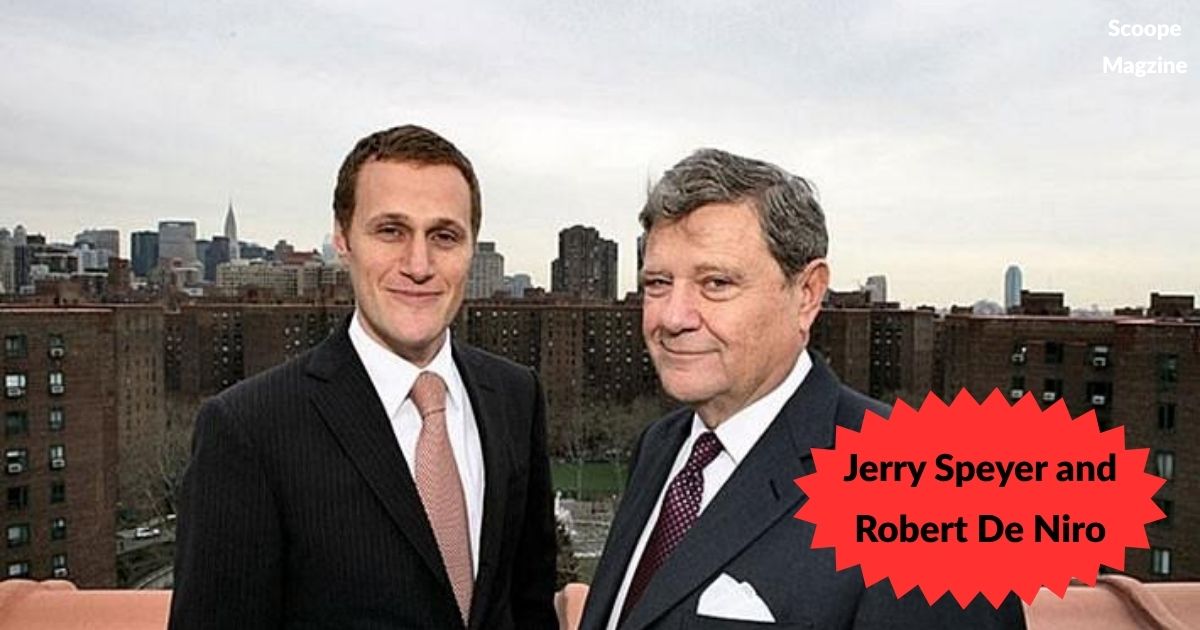
Jerry Speyer and Robert De Niro, New York City has produced many influential figures who have helped shape its skyline, economy, and cultural identity. Among them are Jerry Speyer and Robert De Niro, two men whose careers reflect different sides of the city’s character. Speyer made his mark in commercial real estate, while De Niro became one of the most respected actors in American cinema. Although their professional paths are very different, both have contributed to New York’s development and reputation.
Jerry Speyer helped transform the city’s commercial landscape through major real estate projects, including Rockefeller Center. Robert De Niro influenced its cultural life through his acting career, investments in Tribeca, and the creation of the Tribeca Festival. This article explores their backgrounds, education, careers, achievements, and connection to New York City. It also explains what is known about their relationship and why their separate legacies remain important to the city.
Who Is Jerry Speyer?
Jerry Speyer is an American real estate developer and the co-founder of Tishman Speyer, a globally recognized commercial real estate firm. Over several decades, he has played an important role in developing and managing some of the world’s most prominent commercial properties.
His career is closely associated with New York City, where major buildings and landmark developments helped establish his reputation in the real estate industry. Through his work at Tishman Speyer, Speyer became a leading figure in commercial property investment and urban development.
Jerry Speyer’s Biography
| Detail | Information |
|---|---|
| Full Name | Jerry I. Speyer |
| Date of Birth | June 23, 1940 |
| Birthplace | Milwaukee, Wisconsin, USA |
| Nationality | American |
| Education | Columbia University, bachelor’s degree and MBA |
| Known For | Co-founding Tishman Speyer |
| Signature Properties | Rockefeller Center and the Chrysler Building |
| Key Roles | Chairman Emeritus of the Museum of Modern Art; former Chairman of the Federal Reserve Bank of New York |
Jerry Speyer’s Education and Early Career
Jerry Speyer attended Columbia University, where he earned both a bachelor’s degree and an MBA from Columbia Business School. His education provided a foundation for his later work in business, investment, and real estate.
He began his professional career in 1964 as an assistant to the vice president of Madison Square Garden. Although this was a relatively modest starting position compared with the leadership roles he eventually held, it marked the beginning of a career that would have a lasting effect on New York’s commercial property landscape.
Through experience and business relationships, Speyer gradually developed his knowledge of corporate operations and real estate. His later achievements demonstrate how a career can grow from an early position into an influential leadership role through long-term involvement in an industry.
Jerry Speyer and Tishman Speyer
In 1978, Jerry Speyer co-founded Tishman Speyer with his father-in-law, Robert Tishman. The company developed into a major international real estate business, managing commercial properties worth tens of billions of dollars.
Its operations expanded beyond the United States into Europe, South America, and Asia. The firm became known for acquiring, developing, and managing major commercial buildings in important business centers around the world.
Some of Tishman Speyer’s best-known properties and projects include:
- Rockefeller Center: A landmark complex in Manhattan and one of New York City’s most recognizable commercial destinations.
- The Chrysler Building: A celebrated skyscraper known for its distinctive architectural design.
- The MetLife Building: A major commercial property at 200 Park Avenue in Manhattan.
- International developments: Significant commercial real estate projects in Frankfurt, São Paulo, and Shanghai.
These properties illustrate the company’s reach across different markets and its role in the commercial real estate industry. Under Speyer’s leadership, Tishman Speyer became associated with large-scale property investment and the management of important urban developments.
Read More: Who Is Everleigh Hawkins? The Life of Taylor Hawkins’ Youngest Daughter 2026
Jerry Speyer’s Connection to Rockefeller Center
Rockefeller Center is one of the most recognizable landmarks in New York City, and its history is closely connected to Jerry Speyer’s career. In 1995, Speyer led a consortium that acquired the complex out of bankruptcy.
The acquisition became one of the defining moments of his professional life. It represented a major real estate transaction and helped strengthen Tishman Speyer’s position in New York’s commercial property market.
The deal is widely remembered as an important turnaround in the modern history of Rockefeller Center. It also demonstrated the scale of investment and management required to handle a landmark commercial complex.
For Speyer, the acquisition helped establish a lasting connection with one of New York’s most famous properties. His involvement in the deal remains a central part of his public reputation as a real estate developer.
Who Is Robert De Niro?
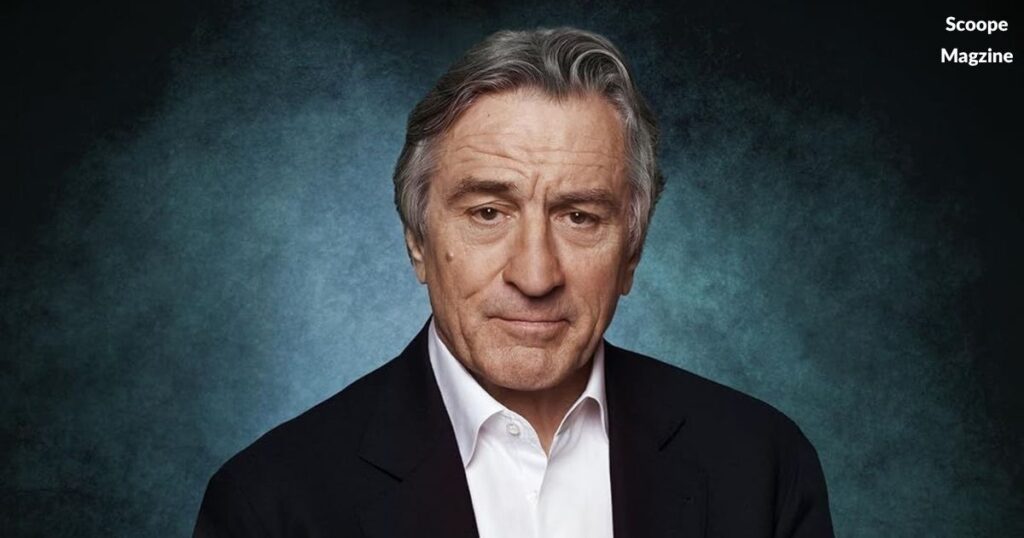
Robert De Niro is an American actor, producer, and director who is widely regarded as one of the most influential performers of his generation. Born and raised in New York City, he became known for his intense performances, carefully developed characters, and collaborations with major filmmakers.
De Niro gained prominence through his work with director Martin Scorsese, beginning with Mean Streets in 1973. Their partnership produced several acclaimed films that helped shape modern American cinema.
His performances in Taxi Driver, Raging Bull, and Goodfellas established him as a major figure in film history. He is also known for portraying Vito Corleone in The Godfather Part II, a role that became one of his most celebrated performances.
Robert De Niro’s Biography
| Detail | Information |
|---|---|
| Full Name | Robert Anthony De Niro |
| Date of Birth | August 17, 1943 |
| Birthplace | New York City, New York, USA |
| Nationality | American |
| Profession | Actor, producer, and director |
| Notable Awards | Two Academy Awards, a Golden Globe, and the Presidential Medal of Freedom |
| Known For | Collaborations with director Martin Scorsese |
| Signature Roles | Vito Corleone, Travis Bickle, and Jake LaMotta |
| Civic Contribution | Co-founder of the Tribeca Festival |
De Niro’s career extends beyond acting. Through business investments and cultural initiatives, he has also become an important figure in discussions about New York City’s artistic life and downtown development.
Robert De Niro and Tribeca
Robert De Niro has maintained a strong connection to New York City throughout his career. Alongside his work in film, he has invested in restaurants, production facilities, and community initiatives, particularly in the Tribeca neighborhood of Lower Manhattan.
Tribeca has developed into a well-known cultural and residential area. De Niro’s investments and involvement in local projects have contributed to his reputation as someone whose interests extend beyond the entertainment industry.
His connection to the neighborhood is especially significant because Tribeca’s transformation involved more than changes to its buildings. The area gradually developed a stronger cultural identity, attracting residents, businesses, artists, and visitors.
De Niro’s activities in the neighborhood reflect his broader interest in New York as both a place to work and a community worth supporting. His involvement in local cultural projects has helped connect his film career with the city’s wider economic and artistic life.
The Tribeca Festival and Robert De Niro
In 2002, Robert De Niro co-founded the Tribeca Festival with producer Jane Rosenthal and businessman Craig Hatkoff. The festival emerged partly as a response to the September 11 attacks and the need to help revitalize Lower Manhattan.
Jerry Speyer and Robert De Niro, The initiative aimed to bring people back to the area, support local businesses, and create a gathering place for filmmakers, artists, residents, and audiences. Film and storytelling became central to its mission, while the event also provided a platform for broader media and cultural projects.
Over the years, the Tribeca Festival developed into an internationally recognized event. It expanded beyond traditional film screenings to include other forms of storytelling and media innovation.
For De Niro, the festival represents one of his most significant contributions outside acting. It connects his career in cinema with a long-term effort to support New York’s cultural life and strengthen the identity of Lower Manhattan.
Tribeca Festival Reaches 25 Years
The Tribeca Festival marked its 25th anniversary in 2026. This milestone highlighted the event’s continuing cultural significance and the lasting influence of an initiative that began in the aftermath of a major tragedy.
What started as a local effort to encourage Lower Manhattan’s recovery grew into an international platform for film, storytelling, and media innovation. Over time, the festival attracted creative professionals, audiences, and industry figures from around the world.
Its development demonstrates how cultural initiatives can contribute to a neighborhood’s renewal. By creating opportunities for people to gather around film and other creative work, the festival helped establish a continuing cultural presence in Lower Manhattan.
The anniversary also reinforced De Niro’s reputation as a figure whose influence extends beyond the screen. His involvement in the festival forms an important part of his broader New York legacy.
What Is the Connection Between Jerry Speyer and Robert De Niro?
There is no publicly documented business partnership, joint project, or personal friendship between Jerry Speyer and Robert De Niro in the information covered by this article. No verified source provided here confirms a direct relationship between them.
Their connection is instead based on their shared association with New York City. Speyer has influenced the city through commercial real estate and major property developments, while De Niro has contributed through film, cultural investment, and the Tribeca Festival.
Both have spent decades working in New York and have become prominent figures in their respective fields. However, their overlapping interest in the city should not be mistaken for evidence that they are business partners or close personal associates.
Two Different Forms of Influence
Jerry Speyer and Robert De Niro represent two distinct forms of influence in New York. Speyer’s work has helped shape the city’s physical and commercial environment, while De Niro’s career and cultural initiatives have contributed to its artistic identity.
| Aspect | Jerry Speyer | Robert De Niro |
|---|---|---|
| Primary Industry | Commercial real estate | Film and entertainment |
| Signature Contribution | Rockefeller Center acquisition and revitalization | Co-founding the Tribeca Festival |
| Type of Influence | Physical development and economic activity | Culture, film, and artistic expression |
| Period of Major Impact | 1990s to the present, according to the source material | 1970s to the present, according to the source material |
Their careers demonstrate that shaping a city does not always mean working in the same industry. Real estate development and cultural investment can influence the same urban environment in different but complementary ways.
Why New York Matters to Both Men
New York City is central to both men’s public legacies, although their professional contributions differ.
Speyer’s company is headquartered in New York, and several of its most recognizable properties are closely associated with the city. His involvement in major commercial developments has helped make him a prominent name in New York real estate.
De Niro, meanwhile, has spent much of his career working and investing in Manhattan. His acting career grew alongside New York’s film culture, while his involvement in Tribeca connected him to the neighborhood’s cultural and economic development.
Their contributions also relate to the city’s ability to recover and renew itself after difficult periods. Speyer’s role in the Rockefeller Center acquisition became an important part of the property’s modern history. De Niro’s work with the Tribeca Festival helped support Lower Manhattan after the September 11 attacks.
Both men are therefore frequently discussed in connection with New York’s civic, commercial, and cultural leadership. Their stories show how long-term investment in a city can take different forms.
Robert De Niro’s Broader New York Legacy
Robert De Niro’s impact on New York extends well beyond his filmography. His investments in Tribeca restaurants and production facilities helped contribute to the neighborhood’s evolution from an industrial district into a cultural and residential destination.
His work in cinema brought international attention to New York, while his local investments connected him more directly to the city’s business and community life. These activities helped establish a public identity that goes beyond his work as an actor.
The Tribeca Festival further strengthened that role. By creating a recurring event centered on film and storytelling, De Niro and his co-founders helped establish a platform that attracted creative professionals and audiences to Lower Manhattan.
His broader legacy is therefore a combination of artistic achievement and civic involvement. While his performances remain the foundation of his reputation, his cultural initiatives have also become an important part of his relationship with New York City.
Jerry Speyer’s Broader New York Legacy
Jerry Speyer’s legacy also extends beyond commercial property. In addition to his work at Tishman Speyer, he has held senior positions in major cultural, medical, and financial institutions.
His leadership roles have included serving as chairman emeritus of the Museum of Modern Art, holding a senior role at NewYork-Presbyterian Hospital, and previously chairing the Federal Reserve Bank of New York.
These positions reflect his involvement in institutions that serve different aspects of public life. The Museum of Modern Art plays a major role in the arts, NewYork-Presbyterian Hospital provides healthcare services, and the Federal Reserve Bank of New York is an important institution within the U.S. financial system.
Speyer’s institutional leadership demonstrates that his influence is not limited to property investment. His activities in philanthropy and governance connect his business career with New York’s cultural, medical, and financial communities.
Jerry Speyer and Robert De Niro: Different Careers, Shared City
Although their industries rarely intersect, Jerry Speyer and Robert De Niro illustrate how long-term commitment can shape New York City. Speyer’s work involves buildings, investments, and commercial development. De Niro’s work involves acting, storytelling, cultural initiatives, and local investment.
Both careers required sustained effort over decades. Speyer’s involvement in major property projects depended on long-term investment and the ability to manage complex commercial assets. De Niro’s film career required continued artistic development, while the Tribeca Festival demanded a sustained commitment to cultural programming and community engagement.
Jerry Speyer and Robert De Niro, Their legacies also show that a city’s identity depends on more than its buildings or its entertainment industry alone. Commercial development creates spaces for businesses and communities, while cultural initiatives give those places artistic energy and a shared sense of identity.
Neither man’s story requires a direct personal connection to be meaningful. Their separate careers provide different examples of how individuals can influence the same city through distinct professional paths.
How Their Legacies Reflect New York
The careers of Jerry Speyer and Robert De Niro offer several insights into the relationship between business, culture, and urban development.
- Real estate and culture can shape a city side by side. Commercial buildings influence how people work and live, while festivals, films, and other cultural activities help shape a city’s identity.
- Long-term civic investment can outlast individual projects. Major property developments and recurring cultural events can become enduring parts of a city’s landscape and reputation.
- Recovery initiatives can create lasting change. Rockefeller Center’s turnaround and the creation of the Tribeca Festival illustrate different ways that investment and renewal can become part of New York’s modern history.
- Influence takes time to build. Speyer’s real estate career and De Niro’s work in film and cultural investment both reflect decades of commitment rather than overnight success.
Together, their stories highlight the many ways people can contribute to a city. New York’s development depends on business, culture, public institutions, and the people who continue investing their time and resources in its future.
Final Words
Jerry Speyer and Robert De Niro are not documented business partners or personal friends, and the information covered here does not establish a direct relationship between them. Their connection comes from New York City, where each has left a distinct mark. Speyer helped shape the city’s commercial landscape through Tishman Speyer and the acquisition of Rockefeller Center. De Niro contributed to its cultural identity through his acclaimed acting career, investments in Tribeca, and the founding of the Tribeca Festival.
Their separate achievements show that influence can take many forms. Speyer’s legacy is rooted in real estate, commercial development, and institutional leadership, while De Niro’s combines cinema, cultural investment, and community involvement. Both careers reflect long-term commitment to New York and its ability to evolve after periods of difficulty. Although their professional worlds are different, their stories offer a useful look at the people and initiatives that have helped shape the city.
Frequently Asked Questions
Are Jerry Speyer and Robert De Niro Business Partners?
No publicly documented evidence establishes a business partnership between Jerry Speyer and Robert De Niro. Speyer is known for his work in commercial real estate through Tishman Speyer, while De Niro is known for acting, producing, and co-founding the Tribeca Festival. Their shared association with New York City does not establish a business relationship.
What Is Jerry Speyer Known For?
Jerry Speyer is best known for co-founding Tishman Speyer in 1978 with his father-in-law, Robert Tishman. He is also recognized for leading the consortium that acquired Rockefeller Center out of bankruptcy in 1995. His career has made him an influential figure in commercial real estate and New York’s business community.
What Is Robert De Niro Known For in New York?
Robert De Niro is known for his acclaimed acting career and his contributions to New York’s cultural life. He co-founded the Tribeca Festival in 2002 with Jane Rosenthal and Craig Hatkoff. His investments in Tribeca restaurants and production facilities have also contributed to his connection with Lower Manhattan.
Did Robert De Niro Help Revitalize Lower Manhattan?
Yes. Robert De Niro co-founded the Tribeca Festival in 2002 partly to help revitalize Lower Manhattan after the September 11 attacks. The festival created a platform for film and storytelling while attracting audiences and creative professionals to the area. His investments and local initiatives have also contributed to his broader involvement in Tribeca.
Is There Any Confirmed Friendship Between Jerry Speyer and Robert De Niro?
The information covered in this article does not establish a confirmed friendship between Jerry Speyer and Robert De Niro. No verified personal relationship is documented here. Their names are discussed together because both have contributed to New York City in different ways: Speyer through real estate and institutional leadership, and De Niro through film and cultural initiatives.