Anglo-Saxon Names With Meanings, Anglo-Saxon names offer a fascinating look into the language and culture of early medieval England. The Anglo-Saxons controlled much of Britain from roughly the 5th through the 11th centuries, and their language, Old English, strongly influenced the development of English names.
Many Old English names were created by joining two meaningful elements. These parts could represent ideas such as nobility, victory, strength, peace, protection, or wisdom. Parents used these combinations to express qualities, hopes, family values, and social position.
The Norman Conquest of 1066 brought major changes to English naming traditions. Norman French names became more popular, causing many traditional Anglo-Saxon names to decline. However, names such as Alfred and Edward survived and eventually developed into familiar modern forms.
The following collection highlights 30 classic Anglo-Saxon names, explaining their meanings, linguistic parts, historical connections, and continued influence.
What Are Anglo-Saxon Names?
Anglo-Saxon Names With Meanings, Anglo-Saxon names originated among the Germanic peoples who settled in Britain after the Roman period. The groups commonly associated with the Anglo-Saxons included the Angles, Saxons, and Jutes.
From around the 5th century through the 11th century, Anglo-Saxon kingdoms influenced much of England. Their traditions affected English society, government, religion, and language. The language spoken by these communities became known as Old English.
A common feature of Old English naming was the use of compound names. Parents could combine two elements, with each part carrying its own meaning. Words associated with wealth, nobility, victory, wolves, rulers, or protection could be joined to create a name with a broader message. For instance, æthel represented “noble,” while ræd meant “counsel.”
These names were especially common before the Norman Conquest in 1066. Kings, queens, warriors, religious figures, and members of noble families carried them throughout kingdoms such as Wessex and Mercia. Names including Æthelred and Edmund demonstrate the naming traditions of the period.
After William of Normandy conquered England, Norman French naming customs became increasingly influential. Names such as William and Henry gained popularity, while numerous Old English names gradually disappeared. Nevertheless, some names survived and later developed into simpler modern versions.
Read More: 55+ Badass Boy Names With Meanings for Your Little Rebel
30 Anglo-Saxon Names With Meanings
Anglo-Saxon Names With Meanings, This collection includes a mixture of male and female names associated with early medieval England. Each entry provides the name’s gender, Old English background, meaning, and relevant name elements when available. Original forms are included where they help explain the historical language behind the name.
Alfred
Gender: Male
Origin: Old English
Meaning: Wise counsel
Elements: ælf “elf” + ræd “counsel”
Alfred is strongly associated with King Alfred the Great, who ruled Wessex during the 9th century. He defended his kingdom against Viking attacks and encouraged education and scholarship. The name connects the idea of counsel with the supernatural element ælf. Historical records also preserve the spelling Ælfræd, while Alfred became the familiar modern form.
Æthelred
Gender: Male
Origin: Old English
Meaning: Noble counsel
Elements: æthel “noble” + ræd “counsel”
Æthelred was the name of King Æthelred II, who governed England toward the end of the 10th century.Anglo-Saxon Names With Meanings, Later historical accounts gave him the nickname “Unready,” associated with poor advice. The name itself has a more positive construction, combining nobility with counsel. Æthel represented high status, while ræd referred to advice or wisdom.
Edmund
Gender: Male
Origin: Old English
Meaning: Wealth, prosperity, protection
Elements: ēad “wealth, fortune” + mund “protector”
Edmund the Martyr was a king of East Anglia during the 9th century. Viking forces eventually killed him, and he was later honoured as a saint. His name combines prosperity with guardianship, creating a meaning associated with wealth and protection. Edmund remained a respected name among medieval English families.
Edward
Gender: Male
Origin: Old English
Meaning: Wealthy guardian
Elements: ēad “wealth” + weard “guardian”
Edward was carried by several Anglo-Saxon kings. One of the best-known was Edward the Confessor, who ruled shortly before the Norman Conquest. The name joins ēad, meaning wealth or prosperity, with weard, meaning guardian. Its royal associations helped the name survive after 1066 and remain familiar today.
Harold
Gender: Male
Origin: Old English
Meaning: Army ruler
Elements: here “army” + weald “power, rule”
Harold Godwinson became king of England in 1066 and ruled for a short period before his death at the Battle of Hastings. The name combines an element connected with an army and another associated with power or rule. As a result, Harold carries a strong military leadership association. The modern spelling remains recognizable.
Cedric
Gender: Male
Origin: Old English-inspired
Meaning: War leader
Elements: Derived from Cerdic
Cedric is connected with the name Cerdic, an early ruler associated with Wessex. The spelling Cedric was later popularized through literature, particularly by Sir Walter Scott. Although the modern form is an adaptation, it evokes Saxon ancestry, leadership, and historical heritage. The name remains familiar even though it is less common than Alfred or Edward.
Godric
Gender: Male
Origin: Old English
Meaning: God ruler
Elements: god “God” + ric “ruler”
Godric combines a religious element with one representing authority. Several saints and religious figures in the medieval period carried the name. The element ric was connected with rule, power, or kingship. Its spiritual meaning reflects the importance of religion in Anglo-Saxon society. Today, Godric is an uncommon but distinctly historical choice.
Leofric
Gender: Male
Origin: Old English
Meaning: Beloved ruler
Elements: leof “dear, beloved” + ric “ruler”
Leofric of Mercia was an important 11th-century ruler and is traditionally associated with Lady Godiva. The name brings together affection and authority through leof and ric. This creates the idea of a ruler who is beloved or respected. Leofric is now relatively rare but retains strong medieval character.
Oswald
Gender: Male
Origin: Old English
Meaning: God power
Elements: ōs “god” + weald “power”
King Oswald of Northumbria ruled during the 7th century and was later recognised as a saint. His name reflects the close relationship between religious belief and political authority in Anglo-Saxon England. The element ōs refers to a god, while weald conveys power or authority. Oswald still appears occasionally as a traditional English name.
Wulfric
Gender: Male
Origin: Old English
Meaning: Wolf ruler
Elements: wulf “wolf” + ric “ruler”
Wulfric combines the powerful image of a wolf with the idea of a ruler. Wolves held strong symbolic associations with courage, strength, and protection within Germanic traditions. Medieval religious figures also carried the name. Although Norman influence caused many Old English names to decline, Wulfric remains a distinctive historical option.
Beorn
Gender: Male
Origin: Old English
Meaning: Warrior, bear
Elements: beorn “warrior, nobleman”
The Old English word beorn could refer to a warrior or nobleman and also carried associations with the bear. The term appears in early English literature and poetry, where heroic characters often embody courage and strength. The name was later given additional recognition through J.R.R. Tolkien’s fiction. Beorn remains unusual but memorable.
Cuthbert
Gender: Male
Origin: Old English
Meaning: Bright fame
Elements: cūð “famous” + beorht “bright”
Saint Cuthbert was an influential religious figure and served as Bishop of Lindisfarne during the 7th century. His shrine later became an important destination for pilgrims in Durham. The name combines fame with brightness, creating a meaning connected with celebrated virtue. Cuthbert remains a traditional British name with strong historical roots.
Æthelflæd
Gender: Female
Origin: Old English
Meaning: Noble beauty
Elements: æthel “noble” + flæd “beauty”
Æthelflæd was a powerful ruler of Mercia during the early 10th century. She played an important role in military campaigns against Viking forces and became known for her political leadership. Her name combines nobility with beauty. Historical records also preserve adapted spellings such as Ethelfleda.
Edith
Gender: Female
Origin: Old English
Meaning: Wealth, war
Elements: ēad “wealth” + gȳð “battle”
Edith of Wessex was the wife of Edward the Confessor. Her name brings together the concepts of prosperity and battle, reflecting the strong compound structure common in Old English naming. Edith remained in use even after the Norman Conquest and eventually became a familiar traditional English name.
Eadgifu
Gender: Female
Origin: Old English
Meaning: Wealth, gift
Elements: ēad “wealth” + gifu “gift”
Eadgifu was carried by several women connected with royal families. The name combines prosperity with the idea of a gift or blessing. The element gifu appears in various Old English female names. Although the original form became uncommon after the Norman period, it remains valuable for understanding Anglo-Saxon naming traditions.
Ealdgyth
Gender: Female
Origin: Old English
Meaning: Old battle
Elements: eald “old” + gȳð “battle”
Ealdgyth was the name of Harold Godwinson’s wife. Its two elements combine age or endurance with battle. The name therefore has a strong and resilient character. Medieval records show different spellings of the name, while the original form demonstrates the distinctive structure of Old English names.
Mildred
Gender: Female
Origin: Old English
Meaning: Gentle strength
Elements: milde “gentle” + þryð “strength”
Saint Mildred was a religious figure associated with the 7th century. Her name brings together two qualities that may appear opposite at first: gentleness and strength. This combination illustrates how Anglo-Saxon names could communicate several virtues at once. Mildred continued into later English naming traditions.
Winifred
Gender: Female
Origin: Old English
Meaning: Friend of peace
Elements: wine “friend” + frið “peace”
Winifred is connected with Saint Winefride of Wales. The name combines friendship with peace, giving it a gentle and harmonious meaning. The element frið was associated with peace and security. Over time, spelling and pronunciation changes produced the familiar form Winifred.
Frideswide
Gender: Female
Origin: Old English
Meaning: Peace, strength
Elements: frið “peace” + swīð “strong”
Frideswide is associated with Saint Frideswide, who founded a religious community in Oxford. Her name combines peacefulness with strength. This combination reflects the spiritual and resilient qualities valued in medieval naming. Frideswide is uncommon today but remains an especially distinctive Old English choice.
Hilda
Gender: Female
Origin: Old English
Meaning: Battle
Elements: hild “battle”
Hilda was the name of Saint Hilda of Whitby, an influential religious leader of the 7th century. The simple element hild directly refers to battle. The name therefore carries associations with courage and determination. Unlike many longer compound names, Hilda remained relatively straightforward and continues to be recognised today.
Leofrun
Gender: Female
Origin: Old English
Meaning: Beloved secret
Elements: leof “beloved” + rūn “secret”
Leofrun appears in early historical charters. The name combines leof, meaning dear or beloved, with rūn, referring to a secret or mystery. Its poetic construction gives it a softer and more unusual character than many warrior-inspired Anglo-Saxon names. Leofrun is now very rare.
Osburh
Gender: Female
Origin: Old English
Meaning: God fortress
Elements: ōs “god” + burh “fortress”
Anglo-Saxon Names With Meanings, Osburh was the mother of King Alfred the Great. Her name combines a religious element with the Old English word for a fortified place. This creates an image of divine protection and security. The name gradually disappeared from everyday use, but its historical connection gives it lasting significance.
Wulfhild
Gender: Female
Origin: Old English
Meaning: Wolf battle
Elements: wulf “wolf” + hild “battle”
Wulfhild was used by noble and royal women in the medieval period. The name joins the wolf, a symbol of strength and guardianship, with hild, meaning battle. Its structure creates a powerful image of courage and resilience. Wulfhild remains rare in modern naming.
Godgifu
Gender: Female
Origin: Old English
Meaning: Gift of God
Elements: god “God” + gifu “gift”
Godgifu expresses the idea of a divine gift. The name was later associated with the legendary Lady Godiva, whose story became famous in English tradition. Changes in pronunciation and spelling eventually produced the familiar Godiva form. The original name reflects the strong religious influence on Anglo-Saxon naming.
Cyneburh
Gender: Female
Origin: Old English
Meaning: Royal fortress
Elements: cyne “royal” + burh “fortress”
Anglo-Saxon Names With Meanings, Saint Cyneburh was associated with Mercia and founded a religious community. Her name combines royalty with the image of a fortified stronghold. The element cyne relates to royal status, while burh refers to a fortress or protected settlement. The name remains uncommon but offers a strong connection to Anglo-Saxon history.
Anglo-Saxon Boy Names
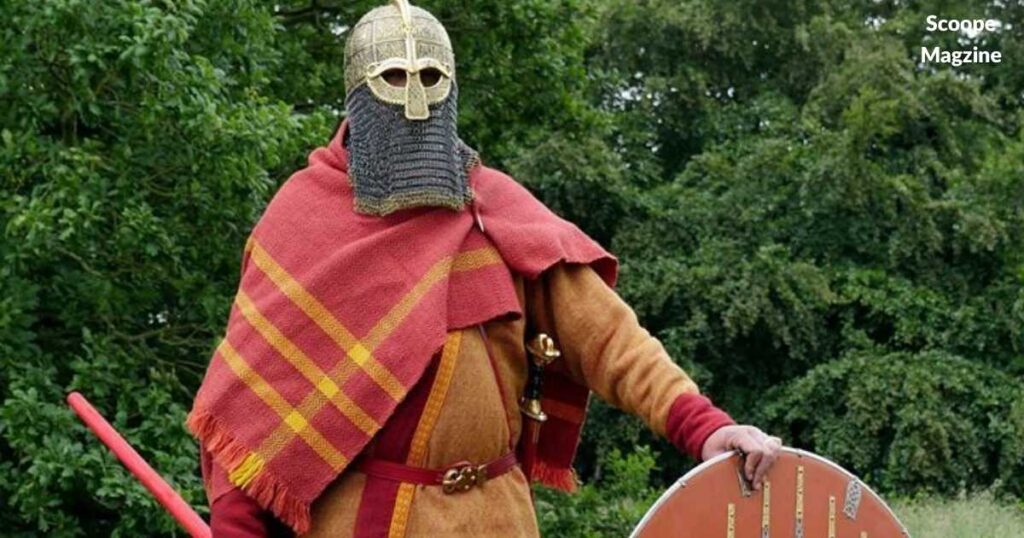
Anglo-Saxon Names With Meanings, Anglo-Saxon boy names frequently focused on ideas such as strength, authority, wisdom, protection, faith, and leadership. Many were built from two Old English elements that created a larger meaning. Here is a quick summary of the male names discussed above.
Alfred – wise elf counsel
Æthelred – noble counsel
Edmund – wealthy protector
Edward – prosperous guardian
Harold – army ruler
Cedric – Saxon war leader
Godric – God’s ruler
Leofric – beloved ruler
Oswald – divine power
Wulfric – wolf ruler
Beorn – warrior, noble fighter
Cuthbert – bright and famous
Anglo-Saxon Girl Names
Anglo-Saxon Names With Meanings, Anglo-Saxon girl names often expressed qualities such as nobility, courage, peace, faith, beauty, and protection. Their compound elements reveal the values and beliefs that shaped early medieval English society. Here is a concise recap of the female names included above.
Æthelflæd – noble beauty
Edith – wealth and battle
Eadgifu – gift of prosperity
Ealdgyth – enduring battle strength
Mildred – gentle strength
Winifred – friend of peace
Frideswide – strong in peace
Hilda – battle woman
Leofrun – beloved secret
Osburh – divine fortress
Wulfhild – wolf battle
Godgifu – gift of God
Cyneburh – royal fortress
Common Old English Name Elements and Their Meanings
Anglo-Saxon Names With Meanings, Old English naming traditions commonly relied on compound construction. Two meaningful elements could be joined together to communicate qualities such as social rank, courage, wealth, spirituality, peace, or authority. Instead of being selected only for sound, these names often carried an intentional message.
Some frequently seen Old English elements include:
Æthel – noble, high-born
Ead – wealth, prosperity, fortune
Beorht – bright, famous
Wulf – wolf, symbol of strength
Sige – victory
Ric – ruler, power
Burg – fortress, protection
Frið – peace, security
Ræd – counsel, advice
Cēne – bold, brave
These elements could be combined to create names with broader meanings. For example, Æthelred joins æthel and ræd to convey “noble counsel.” Eadgifu combines ead and gifu to suggest a “gift of prosperity.” Through this naming system, families could express hopes for qualities such as courage, leadership, faith, wisdom, or protection.
Are Anglo-Saxon Names Still Used Today?
A number of Anglo-Saxon names survived the Norman Conquest and continued through later generations. Alfred, Edward, and Edith are notable examples that remained connected with royal families, religious traditions, and historical records. Although pronunciation and spelling changed over time, their Old English roots remained recognizable.
Anglo-Saxon Names With Meanings, Some traditional names developed into different forms as the English language evolved. Godgifu, for example, became associated with Godiva, while Æthelred also appears in simplified spellings such as Ethelred. These changes show how historical names can adapt while retaining connections to their original forms.
Interest in heritage-inspired names has also encouraged people to explore older English naming traditions. Rare choices such as Wulfric and Æthelflæd may not be common today, but they offer distinctive links to medieval history. Anglo-Saxon Names With Meanings, At the same time, familiar names such as Alfred, Edward, Edith, and Hilda demonstrate that Old English naming traditions still influence modern choices.
Conclusion
Anglo-Saxon names provide a direct connection to the language, history, and cultural values of early medieval England. Their distinctive compound structure allowed families to combine meaningful ideas such as nobility, wealth, courage, peace, faith, protection, and leadership into personal names.
Kings, queens, saints, warriors, and noble families helped preserve many of these names throughout the Anglo-Saxon period. Although the Norman Conquest changed English naming customs and caused numerous Old English names to fade, several survived and gradually developed into modern forms.
For parents interested in historical or heritage-inspired choices, these names offer more than unusual sounds. Anglo-Saxon Names With Meanings, Their individual elements carry stories and meanings that connect modern naming with England’s early medieval past. Whether you prefer a familiar name such as Alfred or Edith or a rarer option such as Wulfric or Cyneburh, Anglo-Saxon names provide a meaningful way to celebrate Old English heritage.